
In high-rise construction, concrete placement becomes increasingly challenging as buildings grow taller. Contractors need reliable concrete distribution equipment that can adapt to changing construction stages, reach different pouring areas, and coordinate with the concrete pumping system. The HAMAC HG33 Hydraulic Concrete Placing Boom is designed to support these requirements through its hydraulic boom system and self-climbing configuration.
This video presents the HAMAC HG33 in a real construction application in Mexico. The equipment is installed at a building construction site, where it helps distribute concrete to designated working areas. Its self-climbing design is intended to accommodate the upward progress of the building, providing a practical approach to concrete placement in vertical construction projects.
The HAMAC HG33 combines a hydraulic placing boom with a self-climbing system. This configuration is developed for construction projects where concrete needs to be distributed at elevated positions. Instead of relying entirely on conventional ground-based placing arrangements, the placing boom can be installed and positioned according to the building structure and construction plan.
Its main functional features include:
For high-rise projects, selecting a concrete placing boom requires careful consideration of building height, structural conditions, installation positions, anchoring arrangements, required working coverage, and concrete pumping capacity. The installation and climbing procedures should be designed according to the project's engineering requirements.
Why Consider a Hydraulic Concrete Placing Boom for High-Rise Projects?
As construction progresses upward, the transportation and distribution of concrete can become more complicated. A suitable placing boom helps organize concrete delivery at elevated working levels and reduces the need to repeatedly rearrange conventional placing equipment. The actual benefits depend on the building layout, equipment configuration, and construction conditions.
The Mexico project demonstrates how the HAMAC HG33 hydraulic concrete placing boom can be applied to building construction. For contractors and construction companies planning similar projects, understanding the equipment configuration and site requirements is an important step toward choosing an appropriate concrete distribution solution.
What is a self-climbing concrete placing boom?
A self-climbing concrete placing boom is a concrete distribution system designed to move upward as construction progresses. Its climbing mechanism and installation arrangement allow the equipment to adapt to different construction stages, subject to the building structure and approved installation procedures.
What is the main function of a hydraulic concrete placing boom?
Its primary function is to distribute pumped concrete to designated pouring positions. The hydraulic boom allows controlled positioning of the delivery pipeline within the equipment's operating range.
Where can the HG33 be used?
The HG33 can be evaluated for high-rise building projects and other construction applications that require elevated concrete distribution. Final equipment selection depends on the required working coverage and project conditions.
What should be considered before installing a self-climbing placing boom?
Important considerations include building structure, anchoring points, climbing sequence, installation space, working coverage, concrete pumping requirements, and site safety procedures.
HAMAC provides concrete machinery and integrated solutions for construction projects worldwide. In addition to hydraulic concrete placing booms, our product range includes concrete batching plants, self-loading concrete mixers, concrete pumps, and other concrete production and placement equipment.
Looking for a concrete placing solution for your next construction project? Contact HAMAC to discuss your equipment requirements and obtain a suitable technical proposal.
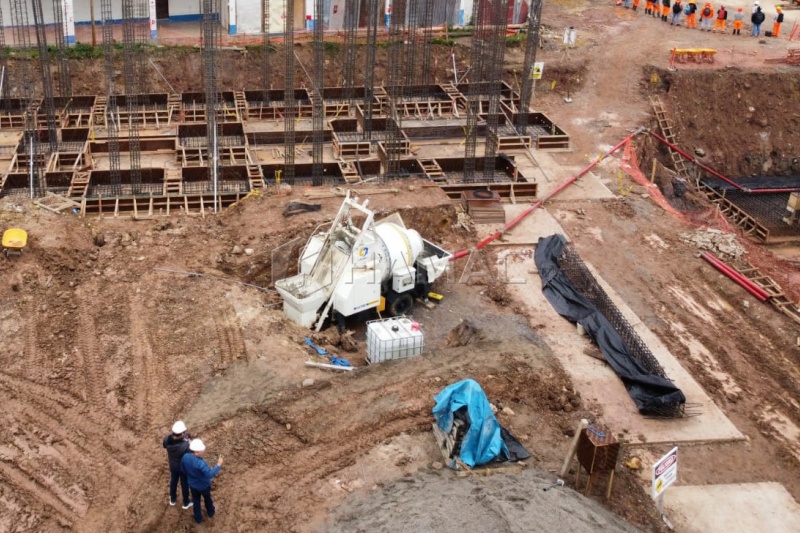
HAMAC Trailer Concrete Mixer Pump for Foundation Construction in Peru
Case consultation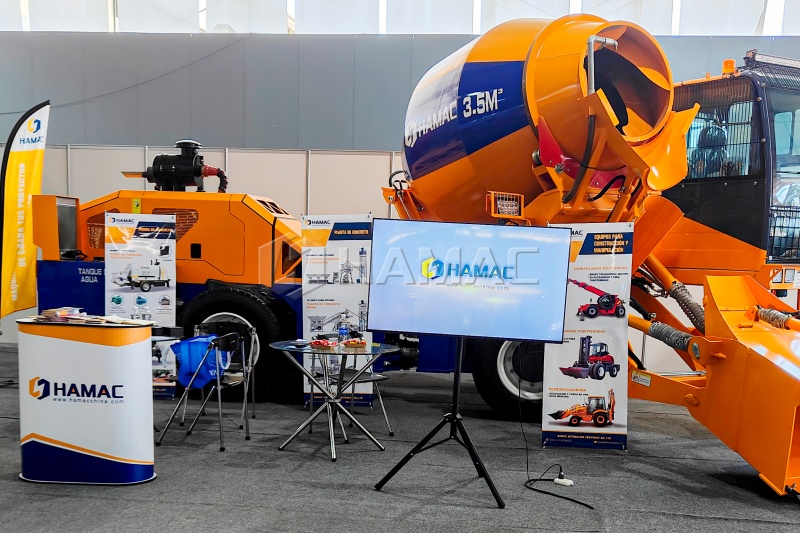
HAMAC Showcases Group Strength and Concrete Solutions at EXCON 2026
Case consultation