


How to use a dry type mobile batching plant for highway projects?
Source: Hamac Machinery
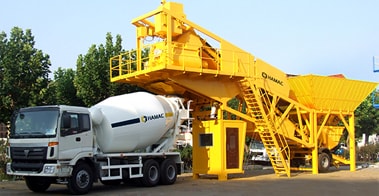
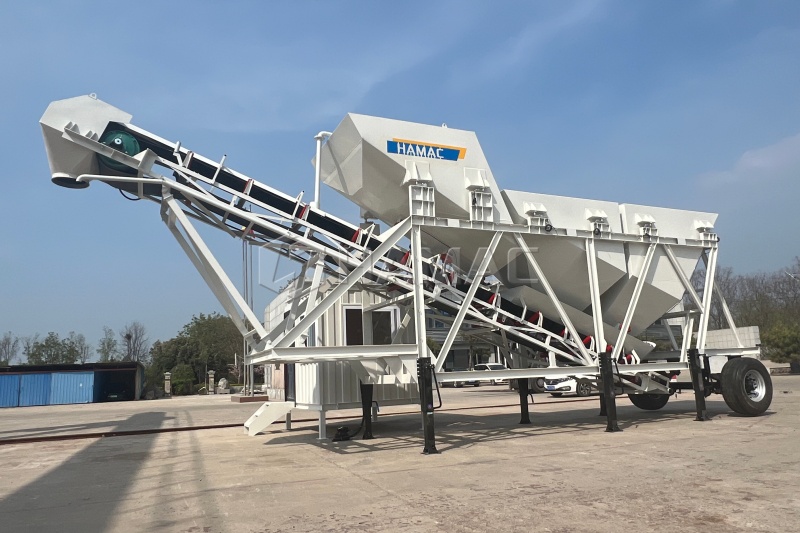
A dry type mobile batching plant is a concrete batching plant without a central mixer, which weighs aggregates, cement and water and loads them directly into a truck mixer. The concrete is mixed inside the drum of the transit mixer while the truck is travelling to the jobsite, so the plant structure is simpler and easier to move compared with a traditional wet mix plant. This type of plant is very suitable for long highway projects where the application area of the concrete is far from the plant location and frequent relocation is required.
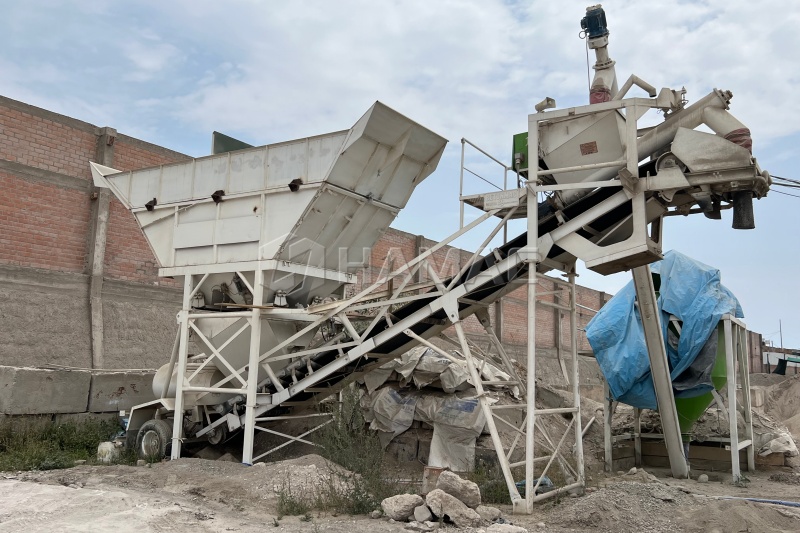
Truck mixers being loaded under a dry batching plant on a road project
In a dry type batching plant, the aggregates, sand, cement and water are weighed separately by load cells according to the selected mix recipe. After weighing, these materials are discharged directly into the drum of the truck mixer via a belt conveyor and chutes, without being mixed in a stationary mixer. The truck mixer then rotates its drum while driving to the highway construction section, so the concrete is mixed on the way and is ready for discharge when it arrives at the paving or pouring point.
Advantages for long highway projects
For long highway projects where the construction front is far from a fixed location, a dry type mobile batching plant offers several advantages. Because there is no central mixer, the total installed power is lower, the structure is simpler and the plant is easier to transport and install on temporary sites. It is also more economical to invest, and maintenance costs are reduced because there are fewer wearing parts compared with a twin-shaft mixer.
On highway projects, the dry type mobile batching plant is usually installed on a level, compacted area near a construction access road or a temporary camp. Aggregate stockpiles are placed around the plant so that a wheel loader can feed the aggregate batching machine, and truck mixers can queue under the discharge hopper or belt conveyor. With this layout, the plant can serve several kilometres of highway alignment within an acceptable haul distance, and as the project progresses, the plant can be moved forward to a new location.
How to use it in daily operation
In daily operation, the plant operator selects the required concrete recipe on the control panel and starts the automatic cycle. Aggregates and sand are weighed and loaded into the truck mixer first, followed by cement and finally water and admixtures, while the truck drum is already slowly rotating. After all materials are loaded, the truck mixer leaves the plant, increases drum speed for thorough mixing on the way, and then slows down to discharge speed when it reaches the highway paving machine or pouring point.
Application examples on highway works
A dry type mobile batching plant can supply concrete for highway sub-base slabs, rigid pavement, drainage channels, culverts and small retaining walls along the road. It is especially useful when the highway passes through remote areas where there is no existing ready-mix plant and building a full-scale wet mix plant is not economical. By using several transit mixers in rotation, the contractor can keep a continuous supply of concrete for slip-form paving or for sequential pours on different structures.
When to choose dry type instead of wet type
Dry type batching plants are a good choice when the highway project has long haul distances from the plant to different work sections and when the required concrete quality can be achieved by mixing in the truck. If the site is constrained, the budget is limited and electricity supply is not very strong, a dry type plant can reduce total power demand and simplify the layout. For special concretes that require very precise mixing energy or very short mixing time before placement, a wet type mobile plant with a central mixer may still be preferred.
To select the right dry type mobile batching plant for a highway project, it is important to consider the daily concrete volume, the maximum distance to the work front and the number of available truck mixers. For smaller highway sections, a 25–35 m³/h dry type plant can often meet the demand, while larger projects may require 50 m³/h or more capacity. The actual output of the plant depends not only on its rated capacity, but also on truck turnaround time, site organisation and weather conditions, so some safety margin should be included.
There is no lowest price, only lower price. You get what you pay for. We hope you are looking for the perfect working performance of the equipment, not the low-priced inferior goods. HAMAC only provide our clients with high quality machines. Wish a cooperation with you in the future.
Tags :
dry type mobile batching plant for highwaydry batch mobile concrete plantmobile dry batching plant for road projectshow to use dry batching plant on highwayHZM dry batch plant for long-distance road projects
Cement Industryconcrete truck with pumpSlipform machine for concrete safety barriersHAMAC construction machinerymixer pump truck
concrete batching plant projectDiesel Driven Concrete Pumpconcrete pumpSICOMA Planetary Concrete Mixerplanetary / countercurrent concrete mixer